For investors across Asia-Pacific
Private-market liquidity, across Asia
A practical guide to secondaries for Asian investors — how to sell an existing pre-IPO stake, and how to buy into private companies before they list, from Singapore to Mumbai.
Why secondaries
Asia’s exit problem is a secondary opportunity
Across Asia-Pacific the constraint on private investing isn’t raising capital — it’s getting it back out. Shallow IPO markets and a limited pool of strategic buyers leave early shareholders holding positions for years.
A secondary sale is the practical fix: selling an existing stake to another investor for liquidity, without waiting for an IPO or acquisition. Every sale needs a buyer — and for investors, buying a secondary stake is often the only way into a well-known private company that has stopped raising accessible rounds.
The markets
Ten markets, one region
Private-market liquidity looks different in each Asian market — from exchange-level venues to family-office capital to regulated unlisted-share desks. Start with yours.
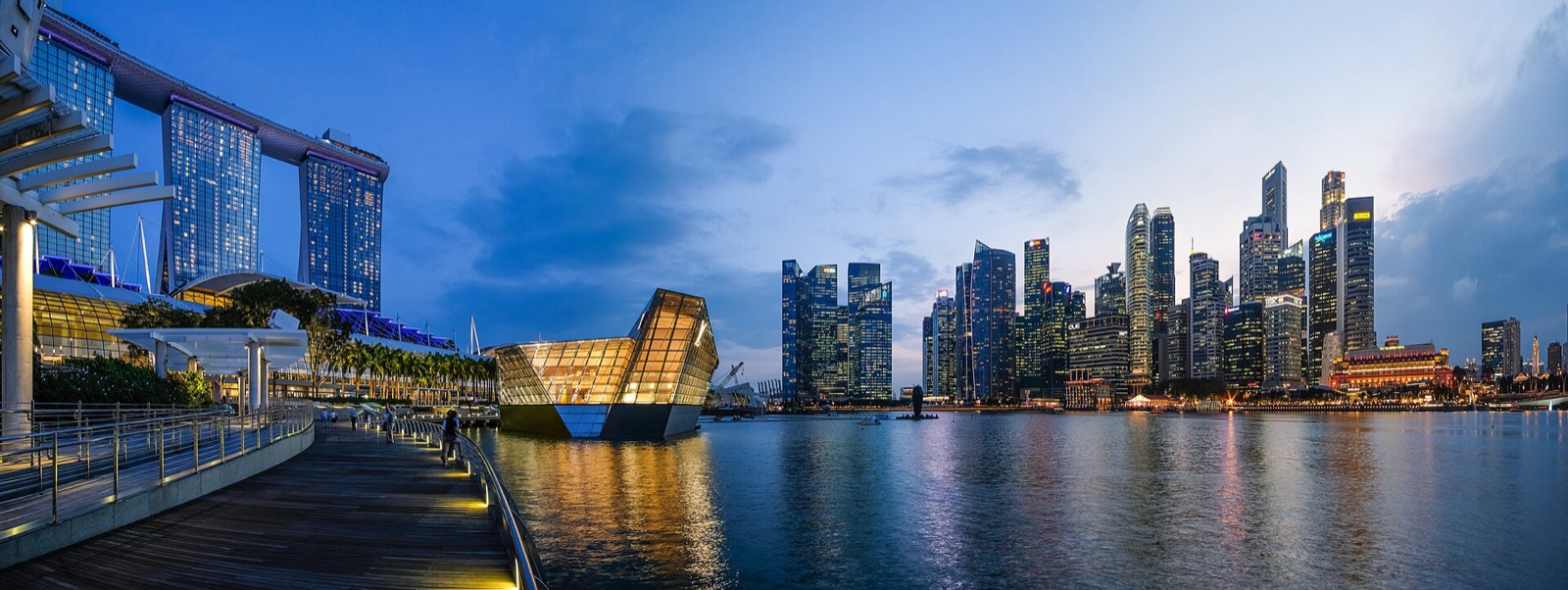
Singapore
The regional hub — MAS-licensed platforms and the deepest private-market infrastructure in Asia.
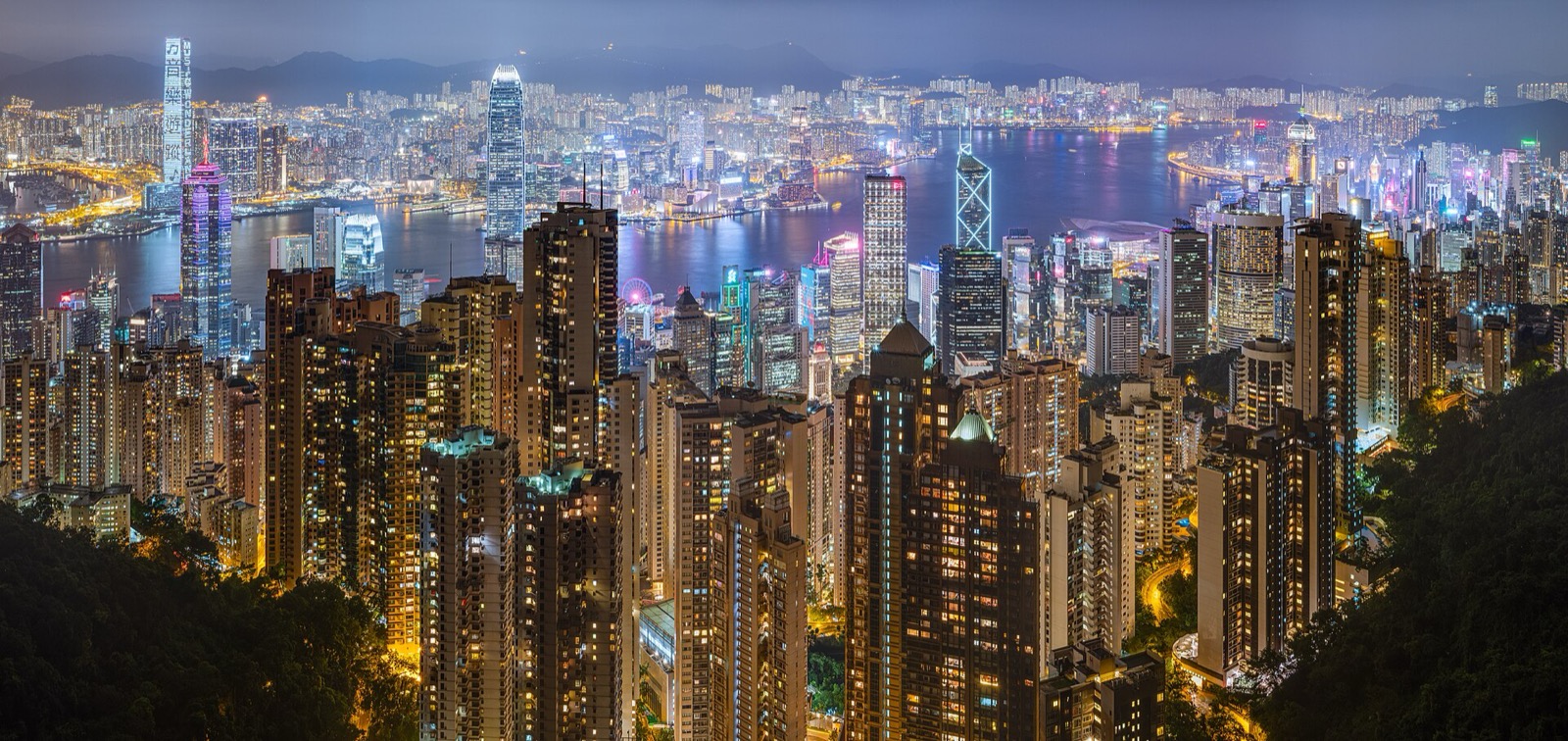
Hong Kong
Family-office capital and the world’s busiest 2025 IPO market driving secondary demand.
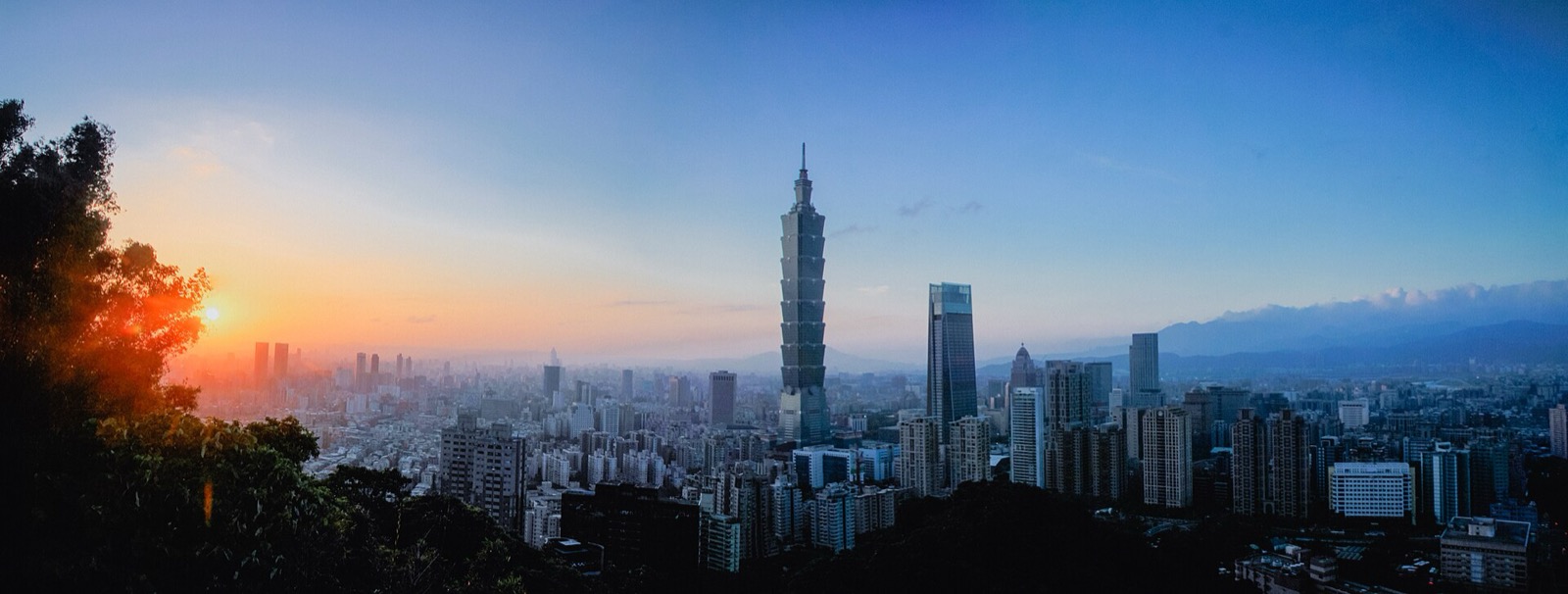
Taiwan
The TWSE Innovation Board opened startup secondary trading to all investors in 2025.
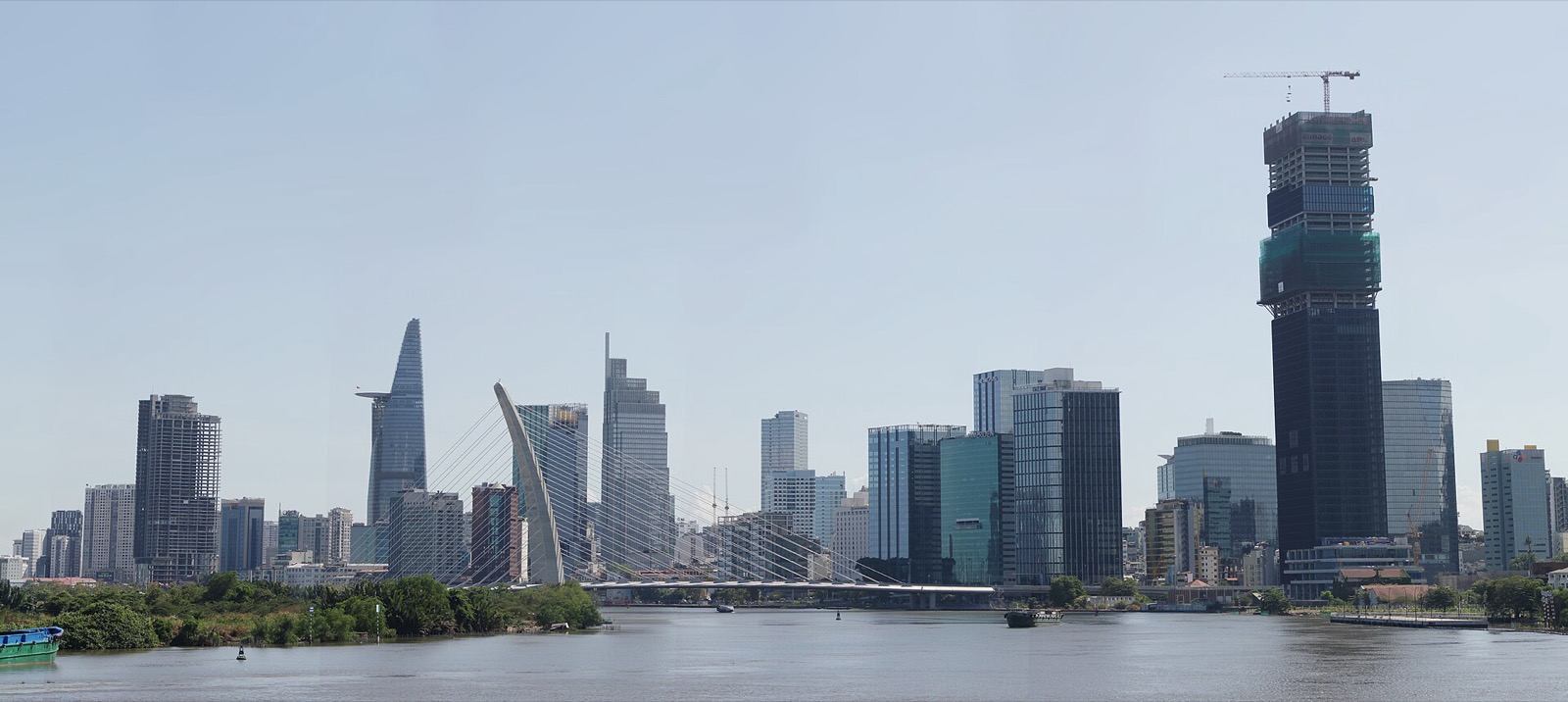
Vietnam
Southeast Asia’s third-largest startup ecosystem, hungry for exit liquidity.

Thailand
A recovering venture market with the Stock Exchange of Thailand backing private-market rails.
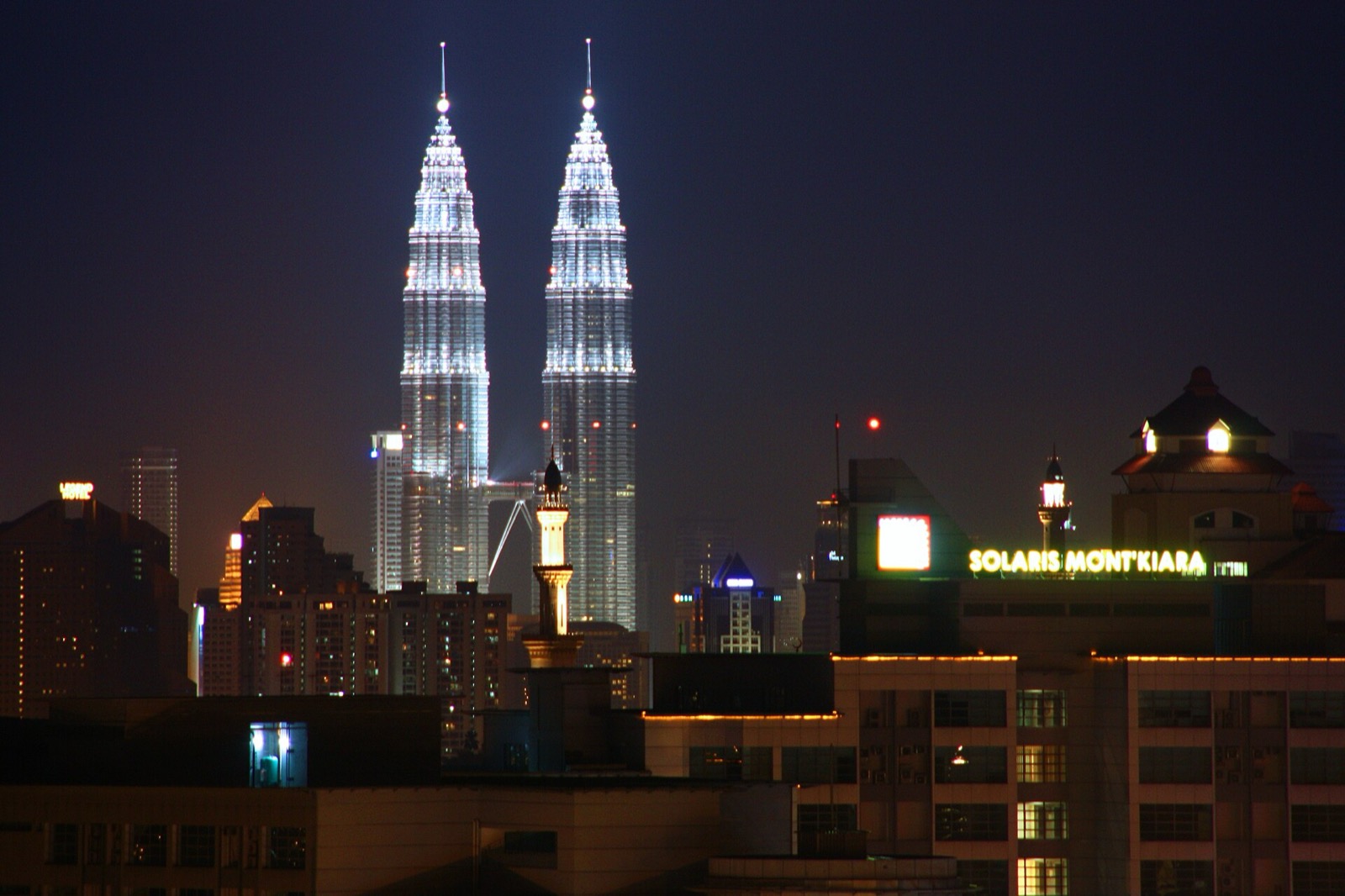
Malaysia
A maturing ecosystem anchored by regional funds like Gobi Partners.
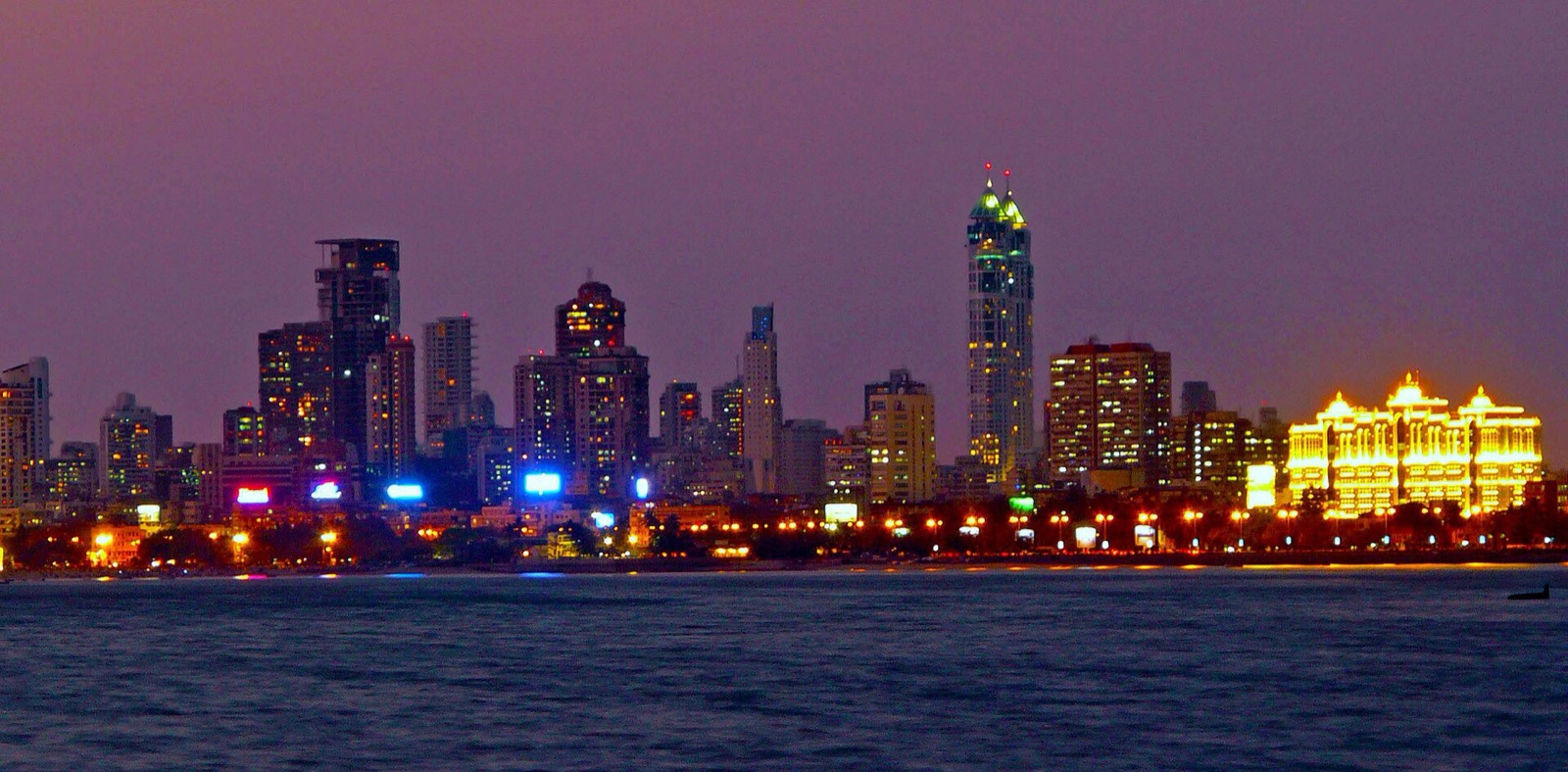
India
A deep, SEBI-regulated market for unlisted and pre-IPO shares.

Australia
A mature institutional capital market where super funds and VCs are turning to secondaries for exits.

Japan
Asia’s largest private-equity secondary market — with startup-share trading still catching up.
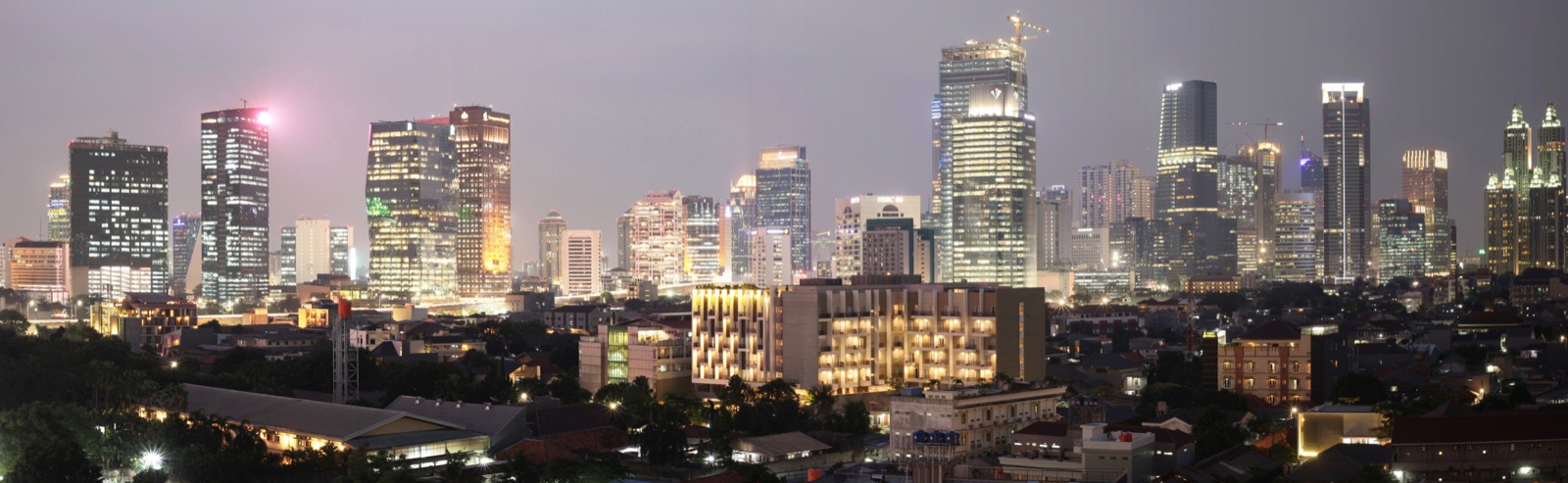
Indonesia
Southeast Asia’s largest startup ecosystem, facing the same exit bottleneck as its neighbours.
Weekly roundup
APAC secondaries in the news
How access differs
Not one Asian market — several
Singapore offers MAS-licensed platforms and the deepest infrastructure. Hong Kong concentrates the buyers — a booming base of family offices. Taiwan built an exchange-level board for startup shares. India runs a mature web of unlisted-share desks. Southeast Asia is earlier, and mostly private and negotiated.
What’s consistent everywhere: accreditation requirements, illiquidity that can last years, thinner information than a primary investor gets, and pricing set against the last round — commonly at a 10–30% discount, though sought-after names can trade at a premium.
Start with the basics
New to private markets?
Secondaries are one of the fastest-growing corners of private investing in Asia. If you’re new to how they work, Secondaries Explained walks through the mechanics, pricing, and pitfalls in plain language — and it applies across every market on this site.
Frequently asked questions
Can I sell my pre-IPO shares before the company lists?
Which Asian market is best to start in?
Do I need to be an accredited or professional investor?
How is a secondary priced with no public market?
Sources: regional private-capital reporting and Deloitte family-office study, 2025.